


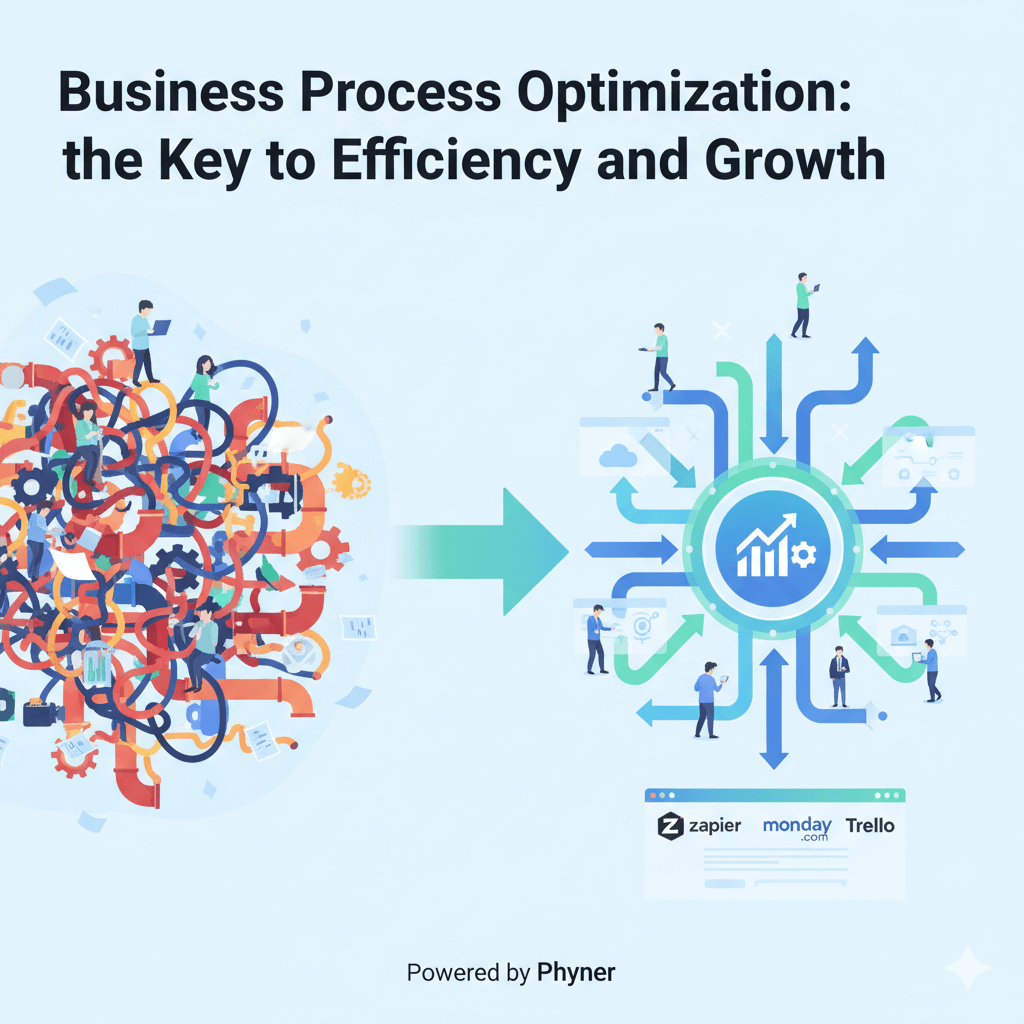
Business Process Optimization
In today’s competitive digital world, every business strives to deliver faster, better, and more cost-effective results. However, inefficiencies in daily operations can slow progress and reduce profitability. That’s where Business Process Optimization (BPO) comes in — a powerful strategy to streamline workflows, eliminate waste, and improve overall performance.
What is Business Process Optimization?
Business Process Optimization is the practice of analyzing, redesigning, and improving existing business workflows to achieve higher efficiency and effectiveness. It focuses on identifying bottlenecks, automating repetitive tasks, and implementing better tools to make operations smoother.
In simpler terms, BPO helps your team work smarter — not harder.
Why Business Process Optimization Matters
Every organization, no matter how big or small, depends on processes — from sales and marketing to finance and customer service. When these processes are inefficient, it directly affects productivity and customer satisfaction.
Here are a few reasons why optimizing your processes is essential:
- Improved Efficiency – By removing unnecessary steps, teams complete tasks faster and with fewer errors.
- Cost Savings – Streamlined operations lead to lower operational costs and reduced resource waste.
- Better Decision-Making – Clear, optimized processes provide accurate data that help management make smarter choices.
- Enhanced Customer Experience – Faster and more accurate service builds stronger customer trust.
- Increased Flexibility – Optimized processes allow your business to adapt quickly to market changes.
How to Implement Business Process Optimization
If your business is ready to embrace process improvement, here are some practical steps to start with:
- Map Out Existing Processes – Identify how each department currently operates.
- Detect Inefficiencies – Look for delays, redundancies, or manual tasks that can be automated.
- Use the Right Tools – Implement digital solutions such as workflow automation software or project management systems.
- Train Your Team – Ensure your employees understand the new processes and tools.
- Monitor and Improve Continuously – Optimization is not a one-time task — it’s an ongoing commitment to excellence.
Tools That Help in Business Process Optimization
- Workflow automation tools like Zapier, Monday.com, and Trello
- Data analytics software for performance tracking
- CRM systems to optimize customer-related processes
- Cloud-based collaboration platforms for improved communication
Final Thoughts
Business Process Optimization isn’t just about cutting costs — it’s about unlocking your company’s full potential. By streamlining operations, reducing inefficiencies, and focusing on continuous improvement, businesses can gain a strong competitive edge in the market.
At Phyner, we believe in the power of digital transformation and intelligent process design. Whether you’re looking to automate workflows or enhance performance, our solutions are built to help your business thrive.
